
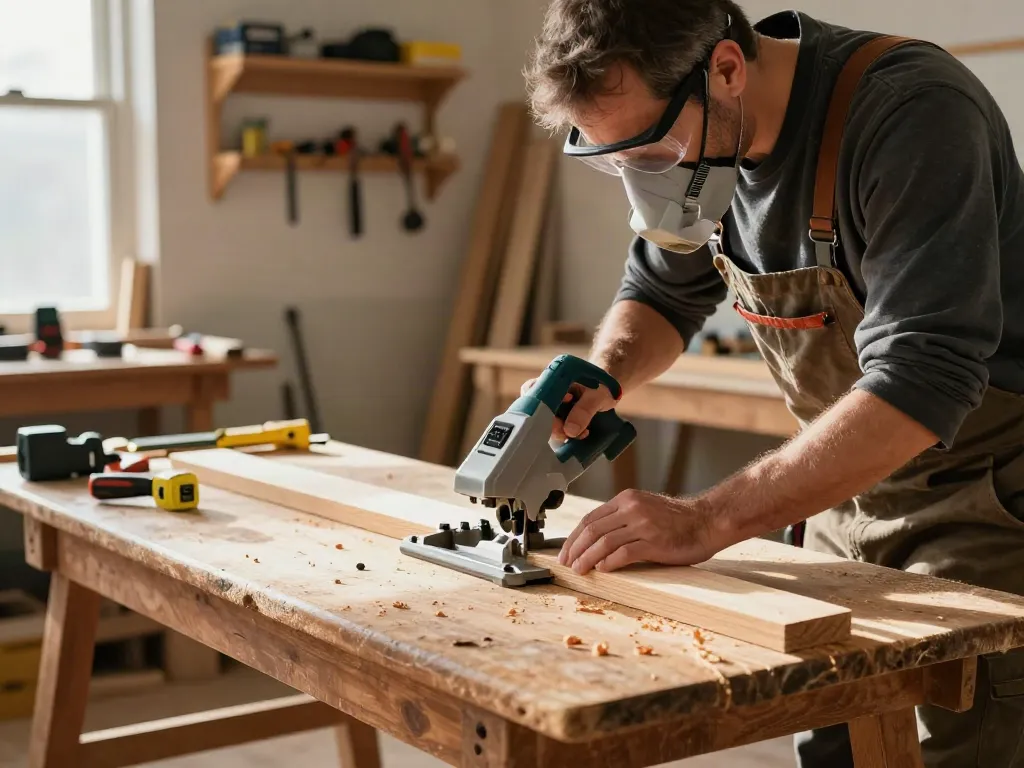
Understanding the Manual Mitre Saw
In the world of woodworking, precision is paramount, and one tool that stands out for its accuracy is the manual mitre saw. This traditional hand tool, often overlooked in the era of power tools, offers woodworkers unparalleled control over their cuts, making it a vital addition to any workshop. Understanding the intricacies of the manual mitre saw not only enhances your craft but also helps you achieve finer results in your projects. In the following sections, we will dive deep into what a manual mitre saw is, its key features, and the advantages it holds over power saws for the astute woodworker.
When exploring options, manual mitre saw selections can reveal an array of choices tailored to both beginners and seasoned professionals.
What is a Manual Mitre Saw?
A manual mitre saw, often called a hand mitre saw or a hand saw, is specifically designed for making accurate crosscuts and mitre cuts in wood and other materials. Unlike powered saws, which rely on an electric motor, a manual mitre saw is operated purely by human force. Its design typically features a horizontal base with a saw blade mounted at an adjustable angle, allowing the user to create precise cuts for various woodworking applications.
Key Features of a Manual Mitre Saw
- Adjustable Angles: Most manual mitre saws allow for angle adjustments, commonly at 45 and 90 degrees, facilitating a variety of crosscuts and mitre cuts.
- Precision Blades: Equipped with fine-toothed blades, these saws are capable of delivering clean, professional-grade cuts.
- Compact Design: The lightweight and portable nature of manual mitre saws makes them an excellent choice for both garage workshops and on-site projects.
- Cost-Effective: Generally less expensive than electric mitre saws, manual mitre saws are a budget-friendly option for hobbyists and professionals alike.
Advantages Over Power Saws
While power mitre saws are undeniably prevalent in many modern workshops, there are several advantages to using a manual mitre saw:
- Enhanced Control: Manual mitre saws provide better control, allowing for more precise cuts, especially in delicate projects.
- Silence and Safety: Without the noise and potential hazards associated with power tools, manual saws are often safer and more pleasant to operate.
- Skill Development: Using a manual mitre saw helps develop hand-eye coordination and woodworking skills that may be overlooked when using electric tools.
- Durability: With fewer moving parts, manual mitre saws are less prone to mechanical failure and can last for decades with proper care.
Choosing the Right Manual Mitre Saw
When it comes to selecting the perfect manual mitre saw for your needs, several factors should be considered to ensure you invest in a tool that will serve you well for years to come. Understanding these aspects will help you make informed decisions while shopping.
Factors to Consider When Selecting
- Material Type: Consider the types of materials you will be cutting—hardwoods, softwoods, or composites—when selecting a blade type.
- Blade Size: Typical blade sizes range from 12 to 16 inches. Ensure the size fits your cutting needs and workspace.
- Angle Settings: Look for a saw that provides common angle settings for your intended applications. More options allow for greater versatility.
- Build Quality: Choose a saw that is rugged and well-constructed to withstand repeated use while maintaining accuracy.
Top Brands and Models for 2026
As we approach 2026, several brands are emerging as leaders in the production of high-quality manual mitre saws. Brands like Nobex, Stanley, and Eclipse have consistently garnered positive reviews for their durability and precision. Specific models, such as the Nobex Champion and the Stanley 20-202, are often recommended for their performance and user-friendly designs. Researching customer feedback and expert reviews can guide you to the best options in the current market.
Budgeting for Quality Tools
While it is possible to find budget manual mitre saws, investing more in quality tools often pays off in the long run. A reputable manual mitre saw can range from $50 to $300 depending on the brand and features. Setting a clear budget allows you to narrow your options and avoid buying tools that may compromise your projects’ quality.
Techniques for Effective Usage
Mastering the use of a manual mitre saw requires practice and technique. Below, we’ll explore essential techniques to ensure effective and safe usage.
Preparing Your Workspace
A clean and organized workspace is critical for safe and efficient woodworking. Ensure your workbench is clear of clutter, and provide adequate lighting to improve visibility while you work. Secure your materials firmly and make sure that your mitre saw is placed on a stable surface.
Measuring and Marking Wood Correctly
Prior to making any cuts, precise measurement and marking are crucial. Use a quality tape measure and square to mark where the cuts will be made. Consider marking each cut with a pencil for clear visibility during the cutting process.
Making Precise Cuts with Confidence
When cutting with a manual mitre saw, take your time to maintain accuracy. Align the wood correctly against the fence, and ensure the saw blade is positioned at the desired angle before starting the cut. Use a smooth sawing motion, applying even pressure to achieve the best results.
Maintenance Tips for Longevity
To keep your manual mitre saw in peak condition, regular maintenance is essential. The following tips will help extend the life of your tool.
Cleansing and Care for Your Tools
After each use, clean debris and dust off the saw to prevent buildup, which can affect performance. Use a soft brush or cloth to remove sawdust and wood residue from both the blade and the base.
Sharpening and Replacing Blades
To maintain cutting efficiency, regularly check the sharpness of the blade. A dull blade can lead to splintering and inaccurate cuts. Sharpen blades according to the manufacturer's recommendations, or replace them if they have become worn.
Storing Your Manual Mitre Saw Properly
When not in use, store your manual mitre saw in a dry, protected area to prevent rust and damage. If possible, hang the saw or keep it in a dedicated tool box to avoid accidental damage from other tools.
Future Trends in Woodworking Tools
As the woodworking industry evolves, several trends and innovations are influencing the tools available, including manual mitre saws.
Innovations in Manual Cutting Technology
Manual mitre saws are experiencing innovations in blade technology, with advancements leading to enhanced cutting capabilities and durability. Manufacturers are exploring new materials and designs that reduce friction and improve precision.
Eco-Friendly Options for Woodworkers
With a growing emphasis on sustainability, manufacturers are starting to offer eco-friendly hand tools, including manual mitre saws made from recycled materials. This trend reflects a broader shift towards environmentally responsible practices in the woodworking industry.
Predictions for the DIY Industry in 2026
As we look towards 2026, the DIY industry is expected to see an increase in interest among home improvement enthusiasts. More individuals are turning towards woodworking as a hobby, driving demand for reliable tools like manual mitre saws that cater to both beginners and experts alike.
What are the top brands for manual mitre saws?
Prominent brands such as Nobex, Stanley, and Eclipse stand out in the manual mitre saw market, known for their reliability and high-quality manufacturing.
How to achieve the best cuts with a manual mitre saw?
To achieve the best cuts, ensure proper alignment, measure accurately, and use a steady, controlled sawing motion.
What maintenance does a manual mitre saw require?
Regular cleaning, blade sharpening, and proper storage are necessary to maintain a manual mitre saw's performance.
Are manual mitre saws suitable for beginners?
Yes, manual mitre saws are great for beginners as they help develop essential woodworking skills and offer a straightforward learning curve.
What safety precautions should be taken when using a manual mitre saw?
Always wear protective eyewear, keep hands clear of the blade, and ensure the workspace is secure while cutting to prevent accidents.. Additionally, Mister Worker provides further details.