
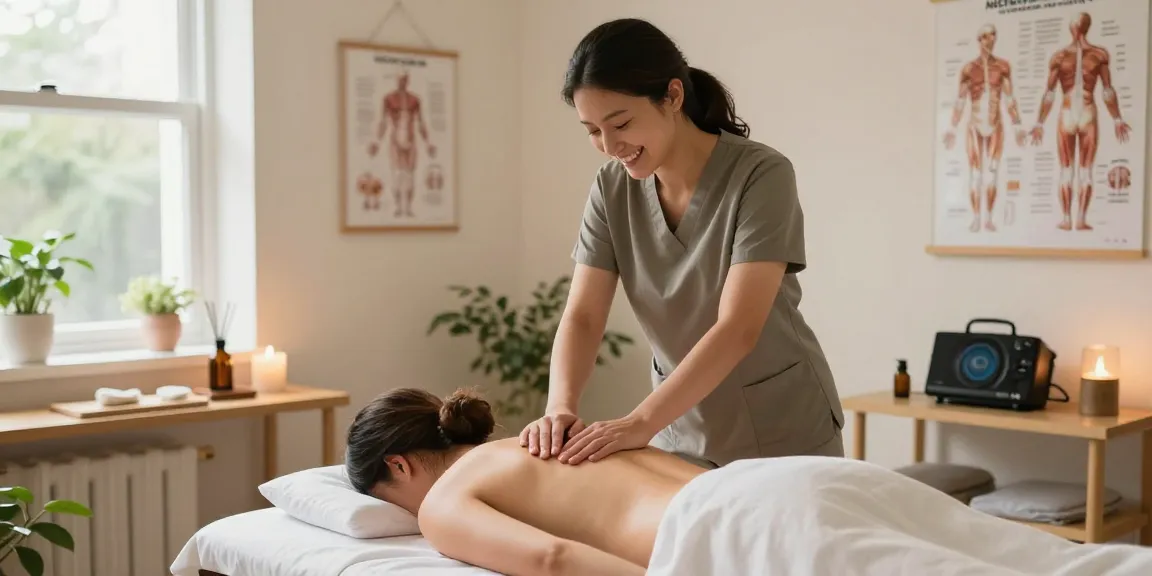
Understanding Back Pain and Its Causes
Back pain is a common ailment that affects millions of people worldwide, significantly impacting daily activities and overall quality of life. Understanding its causes is the first step towards finding effective treatment options. The complexities of back pain can stem from various factors, including lifestyle choices, posture, and even stress, leading individuals to seek comprehensive therapies like Back pain massage St Albans for relief. This article will delve into what triggers back pain and how professional massage therapy can offer substantial benefits.
What Triggers Back Pain?
Back pain can be triggered by numerous factors, such as muscle strain, herniated discs, or even degenerative diseases. Common triggers include:
- Poor posture: Sitting or standing incorrectly for extended periods can place undue stress on the spine.
- Inactivity: Lack of exercise leads to weakened muscles, contributing to pain.
- Physical strain: Heavy lifting or sudden awkward movements can cause injuries.
- Stress: Emotional and psychological stress can manifest physically, often resulting in muscle tension.
Common Myths About Back Pain
Several myths surround back pain that can hinder effective treatment. Here are a few to debunk:
- Myth 1: Bed rest is the best remedy for back pain. In reality, moderate activity is essential for recovery.
- Myth 2: Back pain only affects the elderly. People of all ages can experience back pain due to various reasons.
- Myth 3: If there’s no visible injury, there’s no pain. Chronic pain can exist without an apparent cause.
How Stress Contributes to Back Pain
Stress has a direct effect on muscle tension. When under stress, the body tends to tighten muscles, particularly in the back and neck. This tension can lead to pain, discomfort, and even migraines. Addressing stress through therapies such as massage, yoga, or meditation can alleviate this tension and improve overall well-being.
Benefits of Professional Back Pain Massage
When it comes to alleviating back pain, professional massage therapy is an invaluable tool. The benefits can extend beyond simple relaxation to include enhanced recovery and improved mobility, making it a key component of comprehensive pain management strategies.
How Massage Helps Alleviate Tension
Massage therapy works by manipulating the soft tissues of the body, which can effectively reduce muscle tension and improve circulation. Techniques such as deep tissue massage specifically target the deeper layers of muscle and fascia, which can help to:
- Release tight muscles
- Improve blood flow to the affected areas
- Reduce inflammation and stiffness
Long-Term Benefits of Regular Treatment
Incorporating regular massage therapy into your routine offers long-term benefits, fostering a proactive rather than reactive approach to health. Some of these long-term benefits include:
- Improved posture and alignment
- Enhanced athletic performance and recovery times
- Increased flexibility and range of motion
- Greater overall relaxation and stress reduction
Combining Techniques for Maximum Relief
For many, a holistic approach that combines various techniques can be most effective. Techniques such as Hijama (wet cupping), deep tissue massage, and myofascial release can work together to address the underlying causes of back pain. This integrative approach can lead to more substantial, long-lasting results compared to single-modality therapies.
Choosing the Right Back Pain Massage Therapy in St Albans
St Albans offers a variety of massage therapies tailored to address back pain effectively. Choosing the right kind for your particular needs can be overwhelming, but understanding your options will prepare you for your first session.
Identifying the Best Massage Type for Your Needs
The type of massage most suitable for back pain varies depending on individual conditions. Popular options include:
- Deep Tissue Massage: Ideal for chronic pain and tension, targeting deeper muscle layers.
- Sports Massage: Focused on athletes, this type emphasizes muscle recovery and injury prevention.
- Trigger Point Therapy: Focuses on specific points within a muscle to relieve pain and dysfunction.
Factors to Consider When Selecting a Therapist
Consider the following factors when looking for a therapist:
- Qualifications and certifications
- Experience with back pain specifically
- Client reviews and testimonials
- Approach to treatment (e.g., holistic or symptomatic)
What to Expect During Your First Session
During your first session, the therapist will assess your condition, discuss medical history, and design a tailored treatment plan. It’s essential to communicate your pain levels and any previous experiences with back pain, as this will help them provide the best care possible.
Overcoming Obstacles to Seeking Treatment
Many individuals delay or avoid seeking treatment due to various concerns. Understanding these obstacles can encourage proactive care for back pain.
Addressing Fears and Concerns About Massage
Common fears include the fear of pain or discomfort during treatment and worries about effectiveness. It’s crucial to consult with a licensed therapist who can address these concerns and provide reassurance regarding the process.
Understanding the Cost of Care and Value
While the cost of massage therapy can be a concern, many find it a worthwhile investment in their overall health. Regular therapy can reduce the need for more expensive treatments, such as medications or surgeries, in the long run.
Finding Time for Regular Treatments
Incorporating massage therapy into a busy schedule can be challenging. Prioritizing self-care and treating appointments as essential self-investment are vital strategies for maintaining consistency in treatment.
Future Trends in Massage Therapy for Back Pain
The field of massage therapy is continually evolving, with new techniques and innovations aiming to enhance treatment efficacy for back pain.
Innovations in Techniques and Equipment
Techniques such as myofascial release, along with cutting-edge equipment like electrical stimulation devices, are gaining traction in the industry, aiming to provide quicker recovery with less discomfort.
The Role of Technology in Treatment
As technology advances, more therapists are integrating digital solutions, such as apps for tracking pain management and scheduling sessions, making treatment more accessible and personalized.
Predictions for Back Pain Management in 2026
By 2026, we can expect a broader acceptance of holistic therapies, including Hijama and combined approaches, as mainstream medicine recognizes their value in comprehensive pain management.
What Questions Should You Ask?
When considering therapy options, asking the following questions can ensure you’re choosing the best provider:
- What specific techniques do you use for back pain?
- How many sessions do you recommend for my condition?
- What should I expect during and after treatment?
How to Maintain Results After Treatment?
To maintain the benefits of your massage therapy:
- Continue gentle stretches and exercises at home.
- Stay hydrated to flush out toxins released during treatment.
- Schedule regular follow-up sessions to manage any recurrences of pain.
Are There Any Risks Involved?
While massage therapy is generally safe, potential risks include soreness, bruising, or allergic reactions to oils. Always consult your therapist about any pre-existing conditions to ensure safety during treatment.
How Can You Prepare for Your Massage?
Preparation can enhance your experience. Arrive well-hydrated, wear comfortable clothing, and communicate openly about your pain and expectations.
What Should You Wear for Your Appointment?
Dress in loose, comfortable clothing that allows easy access to the areas being treated. Depending on the type of massage, some practitioners may provide draping or towels for modesty.
